
Bigger Rodent. Bigger Problem.
We Know How to Handle It!
Seeing a rat around your home or business is enough to make anyone say,
“Okay… we have a problem.”
Rats are smart, cautious, resourceful, and incredibly good at finding food, shelter, and hidden pathways. Once they discover a property that provides what they need, they can be difficult to convince to leave.
At D & T, we don’t believe in simply treating the rat you happen to see. Effective rat control means figuring out where they’re coming from, where they’re going, what is attracting them, and how to keep them from getting back in.
That’s where a thorough inspection, strategic control, sanitation, monitoring, and exclusion come together.


Meet the Rats
Not all rats look or behave exactly the same. Here are some of the characteristics we commonly look for:
Bigger than mice
Rats are larger and heavier-bodied than house mice.
Norway rats
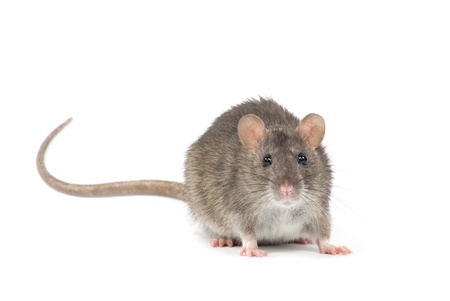
Usually have blunt snouts, smaller ears, and tails that are shorter than the combined length of their head and body.
Roof rats
Typically have more pointed snouts, larger ears, and relatively longer tails.
Bigger calling cards
Rat droppings are considerably larger than mouse droppings.
Where Do Rats Hang Out?
Rats are adaptable creatures, and they’ll take advantage of whatever environment gives them food, water, and protection.
Norway Rats
Norway rats commonly stay closer to the ground and may be found around:
- Basements
- Crawlspaces
- Foundations
- Burrows
- Sewers
- Lower portions of buildings
- Sheds and other ground-level structures
Roof Rats
Where established, roof rats tend to prefer higher locations such as:
- Attics
- Rooflines
- Trees
- Elevated structures
- Wall voids
- Areas around upper portions of buildings
Why Are Rats Coming to My Property?
If your property has food, water, and shelter, a rat may see it as a pretty great place to live.
Common attractions include:
- Accessible garbage
- Pet food
- Birdseed
- Compost
- Fallen fruit
- Animal feed
- Standing water
- Leaking pipes or faucets
- Dense vegetation
- Outdoor debris
- Building openings
Construction or changes to neighboring properties can also disturb established rodent populations and cause them to relocate.
In other words, sometimes your property isn’t the problem — it’s simply the best option on the block.
Why You Don’t Want Rats Around
Rats aren’t just unpleasant to have around. They can create real problems for your property. They may:
- Contaminate food and surfaces with droppings and urine.
- Damage electrical wiring and other materials through gnawing.
- Damage insulation, doors, stored items, and structures.
- Create burrows around foundations and other protected areas.
- Carry external parasites such as fleas, mites, and ticks.
And because rats can be cautious around unfamiliar objects, controlling them isn’t always a matter of simply putting something down and waiting. Sometimes, the smartest pest requires a smarter plan.
How to Make Your Property Less Attractive to Rats
You can make a big difference by removing the things rats are looking for.
Take Away the Buffet
- Keep garbage cans tightly closed.
- Clean up spilled birdseed and pet food.
- Store animal feed in rodent-resistant containers.
- Don’t leave pet food outside overnight.
- Keep compost and fallen fruit under control.
Take Away the Hideouts
- Trim dense vegetation.
- Remove piles of debris and unused materials.
- Keep areas around buildings as open and accessible as practical.
Close the Doors
Repair or seal accessible openings around:
- Foundations
- Doors
- Vents
- Utility lines
- Pipes
- Other structural openings
Take Away the Water
Repair leaks and eliminate unnecessary standing water whenever possible.
Less food + less water + fewer hiding places = a less inviting property for rats.
How D & T Helps Show Rats the Door
Rats are smart. Your rat-control plan should be smarter.
D & T takes a comprehensive approach to rat control by looking beyond the obvious.
Thorough Inspection
We look for:
- Burrows
- Travel routes
- Entry points
- Food and water sources
- Nesting areas
- Signs of activity
- Conditions that may be supporting the population
Strategic Control
Depending on your selected service program, control measures may include trapping, secured exterior bait stations, burrow-focused measures, or other appropriate methods.
Because rats can be cautious around new objects, placement and strategy matter.
Exclusion
Where included in your program, exclusion work can address accessible openings that rats may be using to enter structures.
The goal isn’t simply to deal with today’s rat.
It’s to help prevent tomorrow’s rat from finding the same open door.
Sanitation Recommendations
Sometimes the biggest part of the solution isn’t the rat itself — it’s what’s attracting the rat.
We can help identify food, water, vegetation, debris, or other conditions that may be supporting activity.
Monitoring & Follow-Up
Rat control can take time. Activity may change as control measures are introduced and food sources or access points are addressed.
That’s why monitoring and follow-up are important parts of an effective program.
Important: Please don’t move, open, or disturb rodent-control devices that have been placed as part of your service.
Rat Facts That Might Surprise You
Rats are pretty impressive animals — unfortunately, that includes being impressively good at getting into places they shouldn’t.
- Rats can be cautious around new things. This behavior is commonly referred to as neophobia.
- Their teeth never stop growing. Their continuously growing incisors create a constant need to gnaw.
- They’re excellent climbers.
- They’re strong swimmers.
- They often follow the same protected routes.
- Food, water, and shelter are the big three. Removing these resources can play an important role in long-term control.
Rat Myths: Busted!
Myth: “If I put out bait, the rat will eat it immediately.”
FACT Rats can be cautious around unfamiliar objects. Competing food sources, placement, and the location of the population can all affect feeding.
Myth: “My cat will take care of the rats.”
FACT Some cats may catch or deter rodents, but pets aren’t a substitute for professional population management, sanitation, and exclusion.
Myth: “If I close the burrow, the rats are gone.”
FACT Rats may reopen a burrow or establish another route if food, shelter, and access remain available.
Myth: “If I haven’t seen a rat lately, the problem is gone.”
FACT Rats are excellent at staying hidden. A lack of sightings doesn’t necessarily mean activity has ended.
Rat Control FAQs
There are several possibilities. Rats may be cautious around new objects, competing food may be available, the placement may not be near the active population, or the rats may be using a different travel route.
Rats are primarily nocturnal, but they can sometimes be seen during daylight hours. Daytime activity may occur for a variety of reasons, including a larger population or limited food and shelter.
If food, water, shelter, or alternate travel routes remain available, rats may continue using or reopening an area. Simply closing the visible entrance may not address the underlying conditions.
Size, droppings, gnaw marks, burrows, travel patterns, and the location of activity can all provide clues. A professional inspection can help determine what you’re dealing with.
Every situation is different. The timeline can depend on the species, population size, food and water availability, access points, burrows, and the control measures being used. Monitoring and follow-up are often an important part of the process.

Don’t Let Rats Take Over the Neighborhood!
If you’ve spotted a rat, found a burrow, discovered droppings, or heard suspicious noises around your property, don’t wait for them to settle in and unpack their bags.
D & T Pest and Termite Control can inspect the property, identify conditions contributing to activity, and develop a coordinated approach that may include population reduction, burrow management, sanitation recommendations, monitoring, and exclusion.
Let’s send those unwanted guests somewhere else. Contact D & T Pest and Termite Control today to schedule a rat inspection and learn about your control options.