
They May Be Small.
The Damage They Can Cause Is Not.
Termites are tiny insects with a big appetite for wood — and unfortunately, your home can look like an all-you-can-eat buffet.
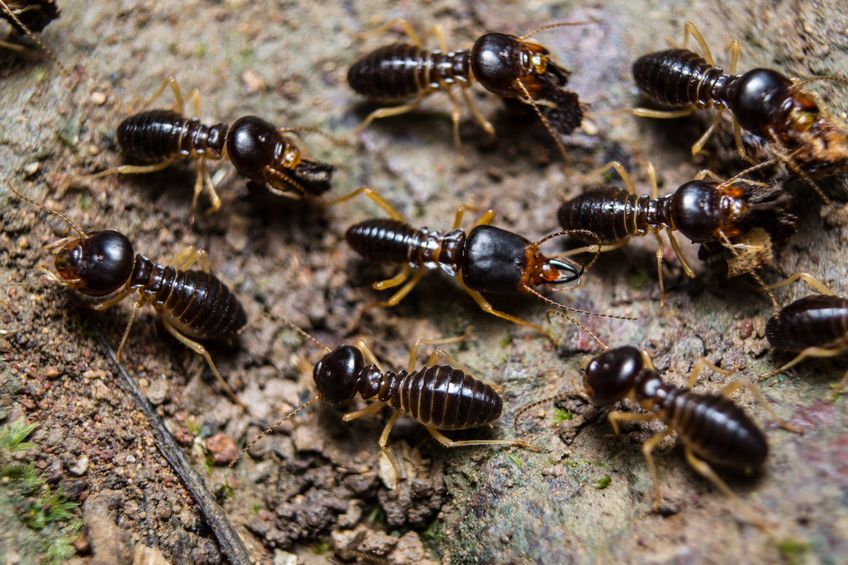
Subterranean termites are an important structural pest concern in New England. They live in colonies associated with soil and can quietly feed on structural wood, flooring, trim, paper, and other materials containing cellulose.
The tricky part?
The tricky part?
Most of the Time, You Won’t See Them
Termites prefer to work behind the scenes, traveling through soil, shelter tubes, cracks, and concealed areas of a structure. By the time termites become obvious, activity may have been going on for quite some time.
That’s why inspection, treatment, and ongoing monitoring are such important parts of termite protection.
Meet the Termites
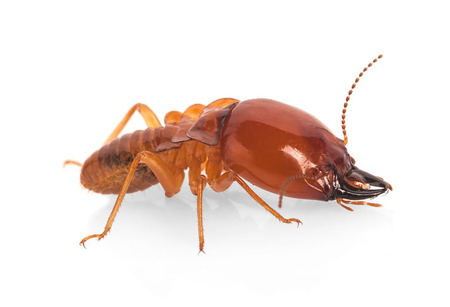
Termites aren’t all the same. A colony has different members, and each has a different job.
Workers
Pale, soft-bodied termites that do most of the feeding and are usually hidden from light.
Soldiers
Termites with enlarged heads and defensive jaws whose job is to protect the colony.
Swarmers
Dark-colored reproductive termites with four wings that are approximately equal in length.
Antennae
Termites have relatively straight or bead-like antennae and broad waists.
If you find winged insects or piles of discarded wings around your property, don’t automatically assume they’re harmless. It may be worth having them identified.
One Important Thing to Remember
Not seeing termites doesn’t necessarily mean termites aren’t there.
Much of a subterranean termite colony can remain hidden in soil, wood, walls, crawlspaces, and other concealed areas.
That’s why a professional inspection matters.
Where Do Termites Live?
The name gives away part of the story. Subterranean termites are closely associated with soil.
Colonies can live in the soil around a structure while workers travel toward food sources through protected pathways.
They may gain access through:
- Foundation cracks
- Plumbing penetrations
- Expansion joints
- Utility openings
- Shelter tubes
- Concealed structural spaces
- Wood in contact with soil
Once termites find a suitable food source, workers can establish protected routes between the colony and the structure.
And that’s where the trouble begins.
Why Are Termites Around My Property?
Termites are looking for food, moisture, and access.
Certain conditions can make a property more attractive or provide easier access, including:
- Wood-to-soil contact
- Poor drainage
- Plumbing leaks
- Clogged or damaged gutters
- Crawlspace moisture
- Foundation cracks
- Buried wood or construction debris
- Stumps near the foundation
- Mulch or soil placed against siding
- Damaged structural materials
But here’s something important: A home doesn’t have to have an obvious moisture problem to experience termite activity.
Termites can infest structures under a variety of conditions, which is another reason regular inspection and monitoring can be valuable.
Why Should I Be Concerned About Termites?
Termites feed on cellulose — and there’s plenty of cellulose in and around most buildings. They may damage:
- Structural wood
- Flooring
- Trim
- Framing
- Other wood components
- Paper products
- Cellulose-containing materials
The biggest challenge is that termite damage can happen where you can’t see it.
Workers avoid light and often remain inside soil, wood, shelter tubes, or concealed structural areas. This means significant activity can sometimes develop before a homeowner notices anything unusual.
Think of termites as the pest you don’t want to meet after they’ve already moved in.
How to Make Your Property Less Termite-Friendly
You can’t completely eliminate the possibility of termite pressure, but you can reduce conditions that may make your property more vulnerable.
Keep Things Dry
- Fix plumbing leaks.
- Address drainage problems.
- Keep gutters and downspouts functioning properly.
- Improve excessive moisture in crawlspaces.
Keep Wood Away From Soil
- Remove buried wood and construction debris.
- Keep firewood away from the building.
- Remove old stumps and unnecessary wood near foundations.
- Maintain appropriate clearance between soil, mulch, and siding.
Keep an Eye on Your Foundation
Pay attention to cracks, penetrations, and other areas where termites may be able to establish concealed access.
Don’t Disturb Monitoring Equipment
If your property has termite monitoring stations, keep them accessible and undisturbed so they can be properly inspected and serviced.
How D & T Helps Protect Your Property
Termite protection isn’t about waiting until you see termites. It’s about staying ahead of them.
D & T can inspect your property and evaluate conditions that may indicate termite activity or increase the potential for future activity. Depending on the structure and evidence found, your termite protection plan may include:
Professional Inspection
We inspect accessible areas for signs of termite activity, conducive conditions, and potential entry points.
Customized Treatment
Depending on the situation, treatment options may include:
- Termite baiting and monitoring
- Liquid soil treatment
- Localized treatment
- Or a combination of approaches
The right strategy depends on the structure, conditions, and evidence found during the inspection.
Monitoring
Termite activity and environmental conditions can change over time. Monitoring helps us keep an eye on the property and identify new activity.
Ongoing Protection
For customers enrolled in our Platinum Package, coverage may include:
- Termite monitoring station installation
- A 30-day follow-up
- Quarterly inspections
- Component replacement or additional components when needed
- Annual renewal service
- Termite warranty renewal inspection at each renewal
Service reports and photographs may also be available through your customer portal.
Your home is one of your biggest investments. Our goal is to help you protect it.

Ready to Take the Next Step?
Contact D & T to discuss your termite-control options!
Termite Facts That Might Surprise You
Termites may be tiny, but their colonies are pretty impressive.
- Termites are social insects. Colonies have workers, soldiers, and reproductive termites.
- They have help digesting wood. Microorganisms in their digestive systems help them process cellulose.
- Mud tubes have a purpose. They help termites travel while maintaining the dark, humid environment they prefer.
- Swarmers aren’t the ones eating your house. Workers are responsible for feeding and causing the structural damage.
- Bait systems rely on termite behavior. Foraging termites locate bait and can share it with other members of the colony.
- Termite pressure can change. That’s one reason continued monitoring can be an important part of a protection program.
Termite Myths: Busted!
Myth: “Termites only infest old or rotten houses.”
FACT Termites can infest newer structures and may feed on sound wood. Age alone doesn’t determine whether a building can experience termite activity.
Myth: “The swarmers are eating my house.”
FACT Swarmers are reproductive termites. Their job is to leave a mature colony and establish new colonies. Workers are responsible for feeding and causing structural damage.
Myth: “If I don’t see termites, I don’t have termites.”
FACT Most subterranean termite activity is concealed in soil, wood, shelter tubes, and structural voids. Visible termites are not required for an infestation to exist.
Myth: “One termite treatment means I’ll never need another inspection.”
FACT Termite pressure and property conditions can change over time. Ongoing monitoring can help identify new activity or changes in conditions.
Myth: “Termite bait stations attract termites from all over the neighborhood.”
FACT Bait stations are designed to intercept termites already foraging in the area. They don’t pull termites toward your property from long distances.
Termite FAQs
Termites generally have broad waists, relatively straight antennae, and four wings of similar length.
Ants typically have pinched waists, elbowed antennae, and front wings that are longer than their back wings.
Not sure what you’ve found? Save the insect or a photo and have it professionally identified.
No. Bait stations are intended to intercept termites that are already foraging in the area. They aren’t designed to attract termites from long distances.
A standard visual inspection evaluates accessible areas. Concealed spaces cannot always be fully evaluated without specialized tools or invasive investigation.
That’s why an inspection should be viewed as an evaluation of accessible and observable conditions, not a guarantee that every hidden termite is visible.
Regular renewal inspections help evaluate station condition, look for new signs of activity, identify changing conditions, and support continued warranty coverage according to the terms of your agreement.
There isn’t one answer for every property. The extent and rate of damage can vary depending on colony size, access to the structure, environmental conditions, available food sources, and other factors.
That’s why finding activity early is always preferable to discovering extensive damage later.
Don’t Wait for the Termites to Introduce Themselves!
Termites don’t send an invitation before they move in.
If you’ve discovered mud tubes, discarded wings, damaged wood, or swarming insects, or you simply want to know whether your property is protected, D & T Pest and Termite Control can help.
We’ll inspect the property, explain what we find, and help you understand your treatment and protection options.
Your home is too valuable to leave termite protection to chance.
Contact D & T Pest and Termite Control today to schedule a termite inspection and learn more about protecting your home or business.