
Tiny Ants. Serious Sweet Tooth. And Way More Organized Than They Look.
“Sugar ants” is one of those names homeowners use for just about any tiny ant marching across the kitchen counter.
And honestly? We get it.
But “sugar ant” isn’t necessarily a specific ant species. In Massachusetts and Rhode Island, those tiny household ants may include odorous house ants and other small nuisance species. And because different ants can behave differently, proper identification matters.
These little guys may be tiny, but once they find a reliable food or water source, they can turn your kitchen into a very popular ant destination.
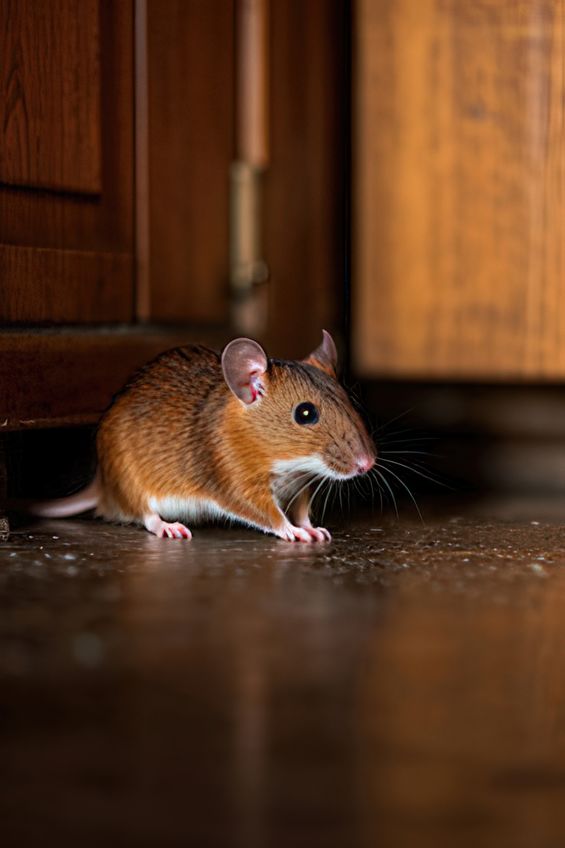

Meet the Sugar Ant
First things first: “sugar ant” is a common customer term, not one specific species.
These ants are usually small—often around ⅛ inch or less—and may be brown, dark brown, or black.
One common culprit is the odorous house ant. These ants have a somewhat uneven-looking thorax and a single waist node that’s difficult to see from above.
And then there’s the name that gives them away.
When crushed, odorous house ants can produce an odor that some people compare to rotten coconut, blue cheese, or even a chemical smell.
So yes… there’s a reason we’re not recommending the “smash every ant you see” approach.
Where Do They Live?
Odorous house ants can be surprisingly flexible when it comes to real estate.
Outside, they may nest beneath:
- Stones
- Mulch
- Logs
- Loose bark
- Siding
- Landscape materials
- Other protected areas around the property
Inside, they may settle into wall voids, insulation, window frames, cabinets, or areas near plumbing.
And here’s where things can get interesting: some colonies may have multiple queens and multiple connected nesting sites.
So when you see ten ants marching across your counter, there may be a whole lot more happening behind the scenes.
Why Are They Around My Property?
The short answer? They’re looking for something they need.
That could be food, water, shelter, warmth, or a way to escape unfavorable outdoor conditions. Common attractants include:
- Sugary spills and residue
- Grease and food crumbs
- Pet food
- Recycling residue
- Water around sinks
- Condensation
- Plumbing leaks
- Moist areas around the foundation
They can also take advantage of the honeydew produced by aphids and other plant-feeding insects around your property.
Your house may be providing both the restaurant and the water fountain.
And if there’s already a nesting site nearby, your home may also be offering a pretty convenient front door.
Should I Be Concerned?
The good news is that these ants are primarily nuisance pests, not wood-destroying insects. But nuisance doesn’t mean harmless to your sanity.
They can travel across food-contact surfaces, contaminate exposed food, and become incredibly persistent once they’ve established a dependable route.
And there’s another reason these ants can be frustrating:
Spraying the ants you see isn’t always the same thing as solving the colony.
With some species, broad repellent spraying can disturb the colony and cause activity to scatter or relocate.
You may get rid of the ants on the counter today only to discover their cousins marching across the bathroom tomorrow.
That’s why figuring out where they’re coming from is so important.
How to Make Your Home Less Ant-Friendly
You don’t need to live in a spotless laboratory to keep ants away.
But removing easy food and water sources can definitely help.
Try to:
- Wipe up sugary and greasy residue promptly
- Store pantry items and pet food in sealed containers
- Rinse recycling before putting it away
- Clean beneath appliances when possible
- Repair plumbing leaks
- Reduce condensation and excess moisture
- Seal cracks around windows and doors
- Seal gaps around pipes, counters, and utility penetrations
- Trim vegetation away from siding
- Avoid piling heavy mulch directly against the foundation
And if you’ve already noticed an active trail, try not to disrupt it immediately before a professional inspection.
That trail can actually be useful information.
How D & T Helps Break the Ant Trail
When it comes to tiny ants, the ants you see aren’t necessarily the whole story.
We Identify the Ant First, we determine what we’re dealing with. Different species can have different nesting habits and respond differently to treatment.
We Follow the Trail We look for where the ants are entering, what they’re following, and where they’re likely coming from.
We Look for the Source That could be an exterior nesting area, wall void, plumbing pathway, cabinet area, or another protected location.
We Treat Strategically Depending on the species and conditions, service may include carefully selected baits, targeted crack-and-crevice treatments, exterior perimeter treatment, and other appropriate measures.
We Help Make Your Home Less Inviting We can also provide sanitation, moisture-control, and exclusion recommendations to reduce the conditions that keep bringing them back.

A Little Patience Can Go a Long Way
If bait is being used, don’t be surprised if you see ants feeding on it. That’s part of the process.
Workers may carry the bait back to the colony, so more ants around the bait doesn’t automatically mean the treatment isn’t working. Sometimes the best thing you can do is let the ants do the work for us.
Facts That Might Surprise You
- Ant trails are basically tiny chemical highways. Ants use pheromones to help other workers find reliable food sources.
- Some odorous house ant colonies have multiple queens. That can make colonies particularly persistent and allow them to divide or relocate.
- Ants don’t always want the same food. Their food preferences can change depending on what the colony needs.
- Plumbing can become an ant highway. Pipes and utility lines can provide protected routes through a building.
- The ants you see may be only a tiny fraction of the colony. That kitchen trail could be the visible part of a much larger operation.
Myths: Busted!
Myth: Every tiny ant in my kitchen is the same species.
FACT Several small ant species can look similar. Proper identification helps determine the most appropriate treatment approach.
Myth: More bait means faster results.
FACT Not necessarily.
Too much bait, contaminated bait, or bait that doesn’t match the ants’ food preferences may actually reduce feeding. Placement and formulation matter.
Myth: If my house is clean, I can’t get ants.
FACT Cleanliness absolutely helps reduce food sources, but it doesn’t make your home ant-proof.
Ants may still enter looking for moisture, warmth, shelter, or access to an established nesting site.
Myth: I should spray the ants while they’re eating the bait.
FACT Usually, that’s not a great idea.
Spraying can kill workers before they return to the colony and may contaminate the bait.
If we’re using bait as part of the treatment, let those little workers take their groceries home.
Frequently Asked Questions
That can actually be part of the process. Workers may recruit other ants to a reliable food source, so temporary increased activity can mean the ants are feeding on the bait.
Usually no. Spraying can kill foragers before they return to the colony and can interfere with the baiting process.
Your sink may be providing exactly what they’re looking for: water, condensation, food residue, or access through plumbing openings.
You may have killed the workers you could see without addressing the colony. With some ants, repellent treatments can also cause activity to move to another location.
They’re generally considered nuisance pests rather than dangerous pests. The bigger concern is persistent indoor activity and contamination of exposed food or food-contact surfaces.
Because not all small ants behave the same way. Knowing the species helps determine where the colony may be located and which treatment approach is most appropriate.
Got Ants? Let’s Follow the Trail.
Those tiny ants marching across your counter aren’t necessarily the whole problem.
Contact D & T Pest and Termite Control to identify the ant, follow the trail, and develop a treatment plan based on the species, nesting behavior, and conditions in your home.